
Expert Elderly Dog Grooming Tips for a Happy Senior Pup
- Cindy Gadre
- May 25
- 4 min read
Caring for a senior dog is a wonderful journey filled with love and attention. As our furry friends grow older, their grooming needs change, and it’s important to adapt to keep them comfortable and healthy. Grooming isn’t just about looking good - it’s about feeling great too! I’m excited to share some expert elderly dog grooming tips that will help you pamper your beloved companion with kindness and care.
Essential Elderly Dog Grooming Tips You Can Use Today
When dogs age, their skin becomes more delicate, and their coat may thin or change texture. This means we need to be extra gentle and thoughtful during grooming sessions. Here are some key tips to keep in mind:
Choose the right brush: Soft-bristle brushes or grooming gloves work best for sensitive skin. They help remove loose hair without causing irritation.
Keep baths short and warm: Use lukewarm water and mild, hypoallergenic shampoos designed for older dogs. Avoid over-bathing to prevent drying out their skin.
Check ears and eyes regularly: Older dogs can develop infections or build-up. Clean ears gently with vet-approved wipes and wipe eyes with a damp cloth.
Trim nails carefully: Senior dogs may have brittle nails. Use sharp clippers and trim little by little to avoid splitting.
Watch for lumps or bumps: Grooming is a great time to check for any unusual changes in your dog’s skin or coat. Early detection is key!
These simple steps make grooming a positive experience and help maintain your dog’s health and happiness.
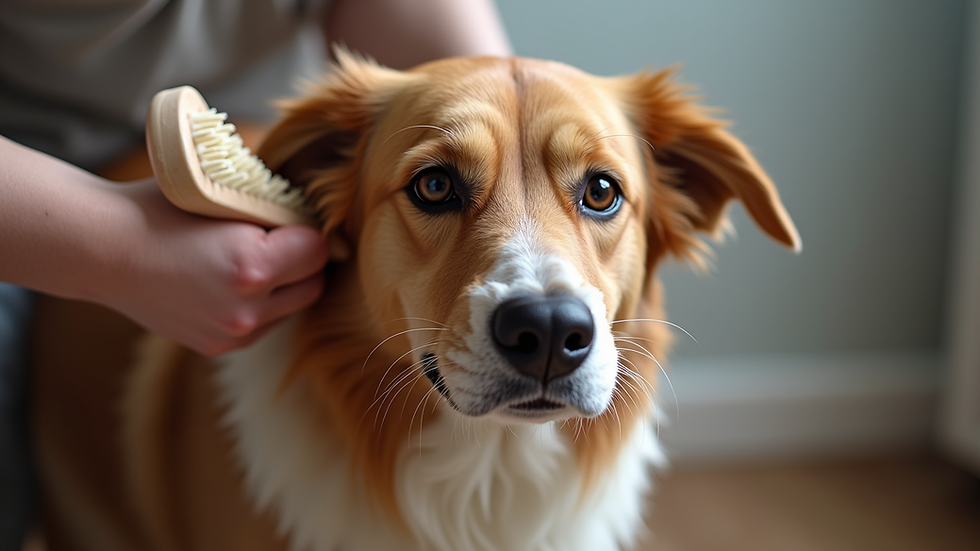
How to Groom an Elderly Dog?
Grooming an elderly dog requires patience and a calm approach. Here’s a step-by-step guide to make the process smooth and enjoyable:
Create a calm environment: Choose a quiet, comfortable spot where your dog feels safe. Soft music or treats can help relax them.
Start slow: Begin with gentle petting to soothe your dog. Gradually introduce the brush or comb, paying attention to their reactions.
Focus on comfort: If your dog shows signs of discomfort, pause and try a different technique or tool. Avoid pulling on mats or tangles; instead, use detangling sprays or carefully cut them out if needed.
Bath time tips: Use a non-slip mat in the tub or sink to prevent slipping. Keep water temperature just right and rinse thoroughly to avoid residue.
Drying: Pat your dog dry with a soft towel. If using a hairdryer, keep it on a low, cool setting and hold it at a distance.
Reward and praise: Always end grooming sessions with lots of love and treats. This builds positive associations and makes future grooming easier.
Remember, grooming is a bonding time. Your gentle touch and kind words mean the world to your senior dog!
Special Considerations for Senior Dog Grooming
Older dogs often face unique challenges that affect grooming. Here are some special considerations to keep in mind:
Arthritis and mobility issues: If your dog has joint pain, avoid forcing positions that cause discomfort. Use supportive cushions or grooming tables with ramps.
Dental care: Senior dogs may have dental problems that affect their appetite and mood. Regular teeth brushing with dog-safe toothpaste is important.
Coat changes: Some breeds develop more mats or dry patches as they age. Regular brushing and moisturizing sprays can help keep the coat healthy.
Skin sensitivity: Avoid harsh chemicals or strong fragrances. Natural, gentle products are best.
Weight changes: Overweight or underweight dogs may need tailored grooming routines to accommodate their body shape and energy levels.
By paying attention to these factors, you can provide the best care possible for your aging friend.

Why Regular Grooming Matters for Senior Dogs
Regular grooming is more than just keeping your dog looking neat. It plays a vital role in their overall well-being:
Improves circulation: Brushing stimulates blood flow, which supports healthy skin and coat.
Prevents infections: Clean ears, trimmed nails, and healthy skin reduce the risk of infections and discomfort.
Detects health issues early: Grooming helps you spot lumps, bumps, or skin changes that may need veterinary attention.
Reduces stress: A clean, well-groomed dog feels more comfortable and relaxed.
Strengthens your bond: Spending quality time grooming builds trust and deepens your connection.
If you want to learn more about senior dog grooming care, there are plenty of resources and professional services that specialize in gentle, personalized grooming for older dogs.
Making Grooming a Joyful Experience for Your Senior Dog
The key to successful elderly dog grooming is kindness and patience. Here are some final tips to make grooming a joyful routine:
Keep sessions short: Older dogs may tire quickly. Break grooming into shorter sessions if needed.
Use positive reinforcement: Treats, praise, and gentle petting go a long way.
Stay consistent: Regular grooming helps your dog get used to the routine.
Know when to ask for help: If your dog is very nervous or has special needs, professional groomers experienced with senior dogs can provide expert care.
Adapt as needed: Every dog is unique. Adjust your approach based on your dog’s preferences and health.
With these tips, grooming becomes a loving ritual that keeps your senior dog happy, healthy, and looking their best.
I hope these expert elderly dog grooming tips inspire you to give your senior pup the gentle care they deserve. Remember, every brush stroke and bath is a moment of love. Your furry friend will thank you with wagging tails and warm snuggles!


Comments